After many months of constant development, the Debian project is proud to present its new stable version 7.0 (code name “Wheezy”).
This new version of Debian includes various interesting features such as multiarch support, several specific tools to deploy private clouds, an improved installer and a complete set of
multimedia codecs and front-ends which remove the need for third-party repositories.
Multiarch support, one of the main release goals for Wheezy, will allow Debian users to install packages from multiple architectures on the same machine. This means that you can now, for the first time, install both 32- and 64-bit software on the same machine and have all the relevant dependencies correctly resolved, automatically.
The installation process has been greatly improved: Debian can now be installed using software speech, above all by visually impaired people who do not use a Braille device. Thanks to the combined efforts of a huge number of translators, the installation system is available in 73 languages and more than a dozen of them are available for speech synthesis too.
In addition, for the first time, Debian supports installation and booting using UEFI for new 64-bit PCs (amd64), although there is no support for Secure Boot yet.
This release includes numerous updated software packages, such as:
- Apache 2.2.22
- Asterisk 1.8.13.1
- GIMP 2.8.2
- an updated version of the GNOME desktop environment 3.4
- GNU Compiler Collection 4.7.2
- Icedove 10 (an unbranded version of Mozilla Thunderbird)
- Iceweasel 10 (an unbranded version of Mozilla Firefox)
- KDE Plasma Workspaces and KDE Applications 4.8.4
- kFreeBSD kernel 8.3 and 9.0
- LibreOffice 3.5.4
- Linux 3.2
- MySQL 5.5.30
- Nagios 3.4.1
- OpenJDK 6b27 and 7u3
- Perl 5.14.2
- PHP 5.4.4
- PostgreSQL 9.1
- Python 2.7.3 and 3.2.3
- Samba 3.6.6
- Tomcat 6.0.35 and 7.0.28
- Xen Hypervisor 4.1.4
- the Xfce 4.8 desktop environment
- X.Org 7.7
- more than 36,000 other ready-to-use software packages, built from nearly 17,500 source packages.
With this broad selection of packages, Debian once again stays true to its goal of being the universal operating system. It is suitable for many different use cases: from desktop systems to netbooks; from development servers to cluster systems; and for database, web, or storage servers. At the same time, additional quality assurance efforts like automatic installation and upgrade tests for all packages in Debian’s archive ensure that Wheezy fulfils the high expectations that users have of a stable Debian release. It is rock solid and rigorously tested.
You can install Debian on computers ranging from handheld systems to supercomputers, and on nearly everything in between. A total of nine architectures are supported: 32-bit PC / Intel IA-32 (i386), 64-bit PC / Intel EM64T / x86-64 (amd64), Motorola/IBM PowerPC (powerpc), Sun/Oracle SPARC (sparc), MIPS (mips (big-endian) and mipsel (little-endian)), Intel Itanium (ia64), IBM S/390 (31-bit s390 and 64-bit s390x) and ARM EABI (armel for older hardware and armhf for newer hardware using hardware floating-point).
Want to give it a try?
If you want to simply try it without having to install it, you can use a special image, known as a live image, available for CDs, USB sticks, and netboot set-ups. Initially, these images are provided for the amd64 and i386 architectures only. It is also possible to use these live images to install Debian. More information is available from the Debian Live homepage.
If, instead, you want to directly install it, you can choose among various installation media, such as Blu-ray Discs, DVDs, CDs and USB sticks, or from the network. Several desktop environments – GNOME, KDE Plasma Desktop and Applications, Xfce, and LXDE – may be installed through CD images; the desired one may be chosen from the boot menus of the CDs/DVDs. In addition, multi-architecture CDs and DVDs are available which support installation of multiple architectures from a single disc. Or you can always create bootable USB installation media (see the Installation Guide for more details).
The installation images may be downloaded right now via bittorrent (the recommended method), jigdo, or HTTP; see Debian on CDs for further information. Wheezy will soon be available on physical DVD, CD-ROM, and Blu-ray Discs from numerous vendors, too.
Already a happy Debian user and you only want to upgrade?
Upgrades to Debian 7.0 from the previous release, Debian 6.0 (codenamed “Squeeze”), are automatically handled by the apt-get package management tool for most configurations. As always, Debian systems may be upgraded painlessly, in place, without any forced downtime, but it is strongly recommended to read the release notes as well as the installation guide for possible issues and for detailed instructions on installing and upgrading. The release notes will be further improved and translated [in]to additional languages in the weeks after the release.
I’ve been using Wheezy on my laptop since release candidate 1 and can testify to it being rock solid and reliable. In particular, the screen display seems much more stable than it ever did under Ubuntu. Indeed the only problems I had with installing Wheezy were getting the wifi working (simply a matter of downloading and installing the correct firmware for the Broadcom chip on the card) and forgetting to install such little extras as libdvdcss2 so I could watch DVDs.
Why have I changed from Ubuntu? Unfortunately, the long-term support (updates) for the version I was running (10.0.4) runs out this month and subsequent versions have switched to the Unity desktop (not my favourite). I still regard Ubuntu as a great distribution, especially for beginners, to whom I’d recommend it for ease of use. Furthermore, for those who dislike Unity, there’s always the KDE-based Kubuntu, of course… 🙂


 On 4th May, Debian made the following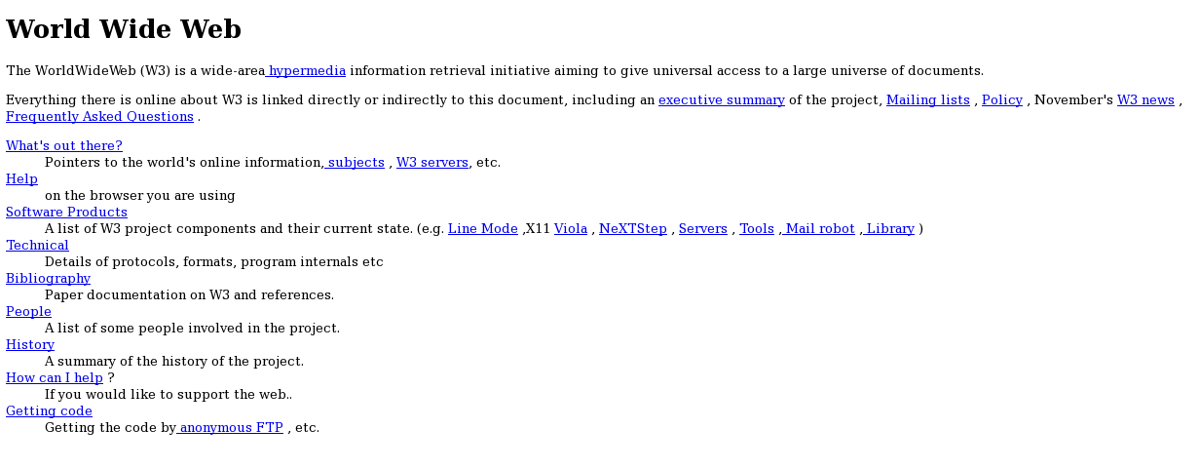




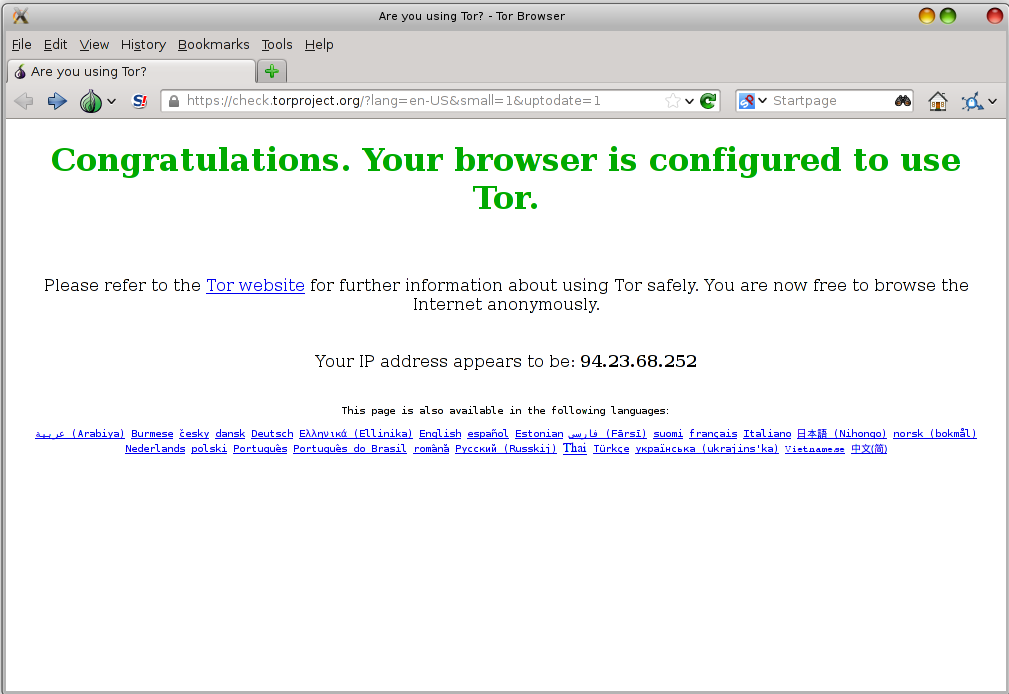
 The government wants to establish a database of all the emails, internet browsing habits and telecommunications data under the Communications Data Bill, also known as the Snooper’s Charter (